
Saggy Skin: What Causes It and 9 Ways to Improve Skin Firmness

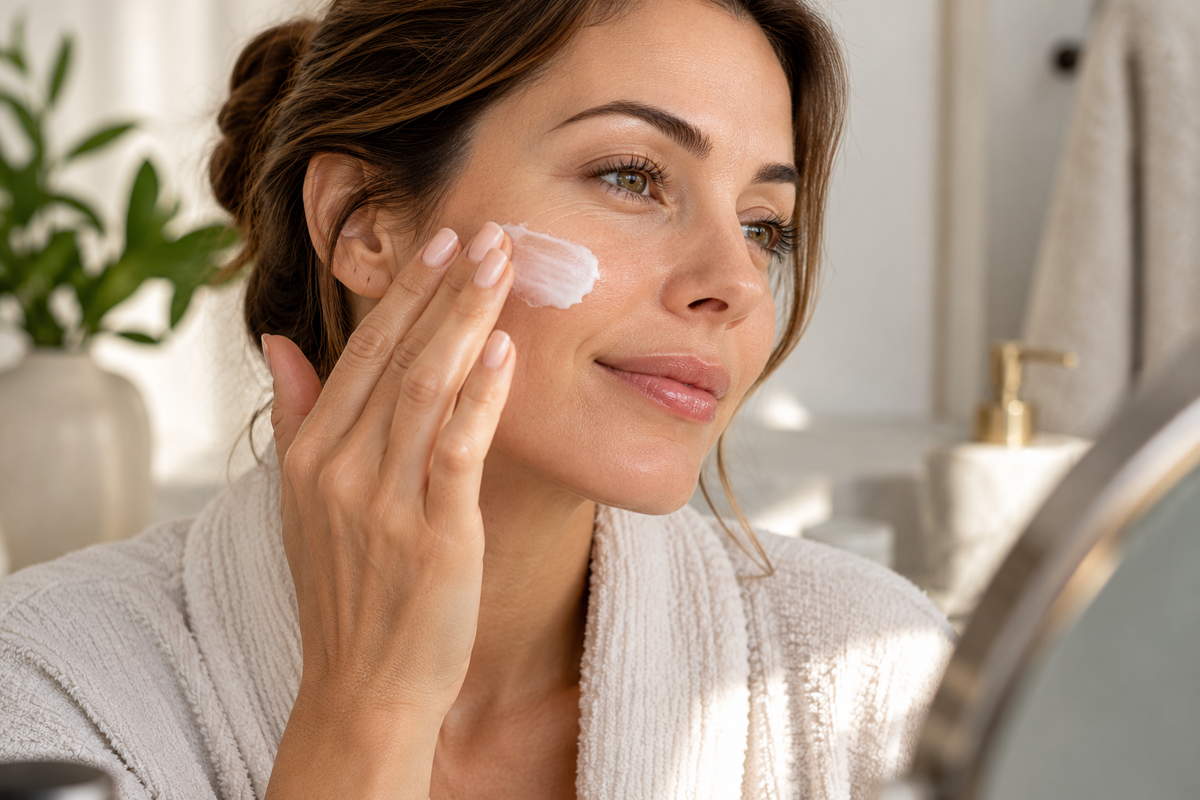
Noticing that your skin looks a little less firm than it used to?
Perhaps the skin around your jawline feels softer, your cheeks have lost some fullness, or you've noticed changes around your neck.
These changes are common, particularly as we get older.
But while saggy skin is a natural part of aging, several other factors can influence how quickly it develops.
And despite what some skincare advertisements suggest, there's an important difference between making skin look smoother and actually tightening loose tissue.
Here's what causes sagging skin, what can help prevent premature changes, and which treatments are worth discussing with a dermatologist.
What Causes Saggy Skin?
Saggy skin develops when the skin and underlying tissues lose some of the structural support responsible for their firmness and elasticity.
Two important proteins are collagen and elastin.
Collagen helps provide structural strength, while elastin allows the skin to stretch and recover.
As we age, changes in these proteins contribute to wrinkles and reduced firmness.
However, skin aging isn't determined by collagen alone.
Changes in facial fat, connective tissue, muscles, and even bone structure can also influence facial contours.
This explains why a cream that improves skin texture cannot necessarily reverse significant sagging around the jawline or neck.
1. Natural Aging
Aging affects skin structure gradually.
Over time, skin tends to become thinner and less elastic, while changes in facial volume may make certain areas appear less supported.
Genetics also influence how these changes develop.
Some people notice sagging earlier than others, even when their skincare routines are similar.
The aim of skincare shouldn't be to stop aging, which isn't possible, but to maintain healthy skin and reduce avoidable damage.
2. Sun Exposure
Ultraviolet radiation is one of the most important preventable contributors to premature skin aging.
Repeated unprotected exposure can damage collagen and elastin, contributing to wrinkles, uneven pigmentation, and reduced firmness.
This process is known as photoaging.
The American Academy of Dermatology recommends broad-spectrum sunscreen with SPF 30 or higher, alongside other protective measures.
Consistent sun protection is one of the most worthwhile long-term habits for skin health.
3. Significant Weight Changes
Weight fluctuations can affect the appearance of skin.
After substantial weight loss, stretched skin may not fully return to its previous position.
The extent of loose skin depends on several factors, including age, genetics, the amount of weight lost, and how long the skin was stretched.
Skincare products cannot reliably remove substantial excess skin.
For people concerned about significant changes after weight loss, professional advice may be more useful than purchasing expensive topical products.
4. Smoking and Other Lifestyle Factors
Smoking contributes to premature skin aging and can negatively affect overall skin health.
Poor sleep, inadequate nutrition, and other lifestyle factors may also influence how skin looks and feels.
However, it's important not to suggest that a particular food or nightly routine can magically rebuild lost facial structure.
Healthy habits support general wellbeing, but they don't reverse every aspect of aging.
9 Ways to Help Prevent or Improve Saggy Skin
1. Wear Sunscreen Every Day
If you're choosing just one preventative skincare habit, make it sun protection.
Apply broad-spectrum SPF 30 or higher to exposed skin.
Reapply as directed, particularly when spending extended time outdoors.
A hat, shade, and protective clothing provide additional protection.
Sunscreen won't instantly tighten skin, but it can help reduce further UV-related damage.
2. Use a Moisturizer Consistently
Well-hydrated skin often looks smoother and more supple.
Moisturizers can temporarily reduce the appearance of fine lines caused by dryness.
Look for ingredients such as glycerin, hyaluronic acid, and ceramides.
However, moisturizers don't remove excess skin or produce the same results as a lifting procedure.
Their main role is supporting hydration and the skin barrier.
3. Consider a Retinoid
Retinoids are vitamin A derivatives used to address certain signs of skin aging.
Some can improve fine lines, uneven texture, and aspects of photoaging over time.
Options include over-the-counter retinol and prescription treatments such as tretinoin.
Start cautiously because irritation and dryness are common concerns.
Retinoids should not be used during pregnancy, and professional advice is recommended when choosing stronger products.
While retinoids can improve certain features of aging skin, they aren't a reliable solution for pronounced sagging.
4. Avoid Smoking
Avoiding tobacco is worthwhile for both overall health and skin health.
Smoking is associated with accelerated skin aging, and quitting offers benefits far beyond cosmetic appearance.
5. Maintain a Balanced Diet
A varied diet supports the body's normal maintenance and repair processes.
Include sufficient protein, fruit, vegetables, and sources of essential fats.
Vitamin C, for example, contributes to normal collagen formation.
However, eating collagen-rich foods or taking supplements doesn't guarantee that loose facial skin will become tighter.
Be cautious about expensive products making dramatic firming promises.
6. Stay Physically Active
Regular physical activity supports general health and can help maintain strength and muscle mass.
Resistance training may improve body composition and the appearance of certain areas.
However, exercising facial muscles hasn't been established as a dependable treatment for significant skin laxity.
Choose exercise for its wider health benefits rather than expecting it to replace medical or cosmetic treatments.
7. Establish a Gentle Skincare Routine
An effective routine doesn't need ten different products.
For many people, a gentle cleanser, moisturizer, and sunscreen provide a sensible foundation.
Additional products can be introduced to address particular concerns.
Avoid starting several powerful exfoliating or anti-aging products simultaneously.
Excessive irritation can leave the skin looking worse rather than better.
8. Ask About Professional Skin Treatments
For noticeable laxity, a dermatologist may discuss treatments such as radiofrequency, ultrasound-based procedures, or certain laser treatments.
These procedures work differently and aren't equally suitable for every person.
Results may be modest, gradual, or temporary, depending on the treatment.
Potential risks, costs, downtime, and realistic expectations should be discussed before proceeding.
Choose a properly qualified professional rather than relying on dramatic before-and-after advertising.
9. Understand When Surgery May Be More Effective
Significant loose skin may not respond sufficiently to topical skincare or non-surgical procedures.
For some patients, surgical treatments can achieve changes that creams and devices cannot.
Examples include certain facial lifting procedures or excess-skin removal after major weight loss.
Surgery involves costs, recovery, and medical risks, so it requires an individual consultation.
No cosmetic procedure is necessary simply because your skin is changing with age.
Can You Tighten Saggy Skin Naturally?
This depends on what you mean by "tighten."
If your skin looks less firm because it's dry, moisturizer may improve its appearance.
If you're noticing fine lines and photoaging, appropriate skincare can sometimes help over time.
But if you're dealing with pronounced loose skin, skincare and lifestyle changes generally cannot restore the original anatomy.
This distinction is important because many products promise results that their ingredients cannot realistically deliver.
Which Skincare Ingredients Are Worth Considering?
| Ingredient | Potential Benefit | Main Limitation |
|---|---|---|
| Retinol and retinoids | Improve certain fine lines and signs of photoaging | Can irritate; won't correct major laxity |
| Hyaluronic acid | Supports surface hydration | Mostly temporary plumping effect |
| Ceramides | Support the skin barrier | Don't directly lift skin |
| Vitamin C | Antioxidant; some formulations may improve visible photoaging | Results depend on formulation |
| Sunscreen | Helps prevent additional UV damage | Preventative rather than instant tightening |
The best routine depends on your skin type and specific concerns.
People with sensitive skin, rosacea, or persistent irritation may benefit from professional guidance before introducing active treatments.
Frequently Asked Questions
Can Saggy Skin Become Firm Again?
Some mild changes in skin appearance may improve with hydration, sun protection, and suitable skincare. More substantial laxity may require professional treatment, and complete reversal isn't always possible.
Does Retinol Help Saggy Skin?
Retinol may improve fine lines and some aspects of skin texture over time. However, it shouldn't be expected to lift significantly loose skin.
Does Drinking Water Tighten Skin?
Adequate hydration supports normal health, but drinking extra water hasn't been shown to reverse structural skin sagging in otherwise adequately hydrated people.
Can Losing Weight Cause Saggy Skin?
Yes. Significant weight loss may leave excess skin, particularly when skin has remained stretched for a long period. The extent varies between individuals.
At What Age Does Skin Start Sagging?
There's no universal age. Skin changes develop gradually and are influenced by genetics, sun exposure, lifestyle, and other factors.
Final Thoughts
Saggy skin is a normal part of aging, not something that automatically needs fixing.
For people hoping to reduce premature changes, sun protection, sensible skincare, and healthy habits are valuable starting points.
Retinoids and some professional treatments may improve particular signs of aging, but expectations should remain realistic.
Above all, be skeptical of products promising dramatic skin tightening without convincing evidence.
Healthy, comfortable skin is a more useful goal than trying to make every natural sign of aging disappear.